Improving lives in Uganda - an overseas aid story
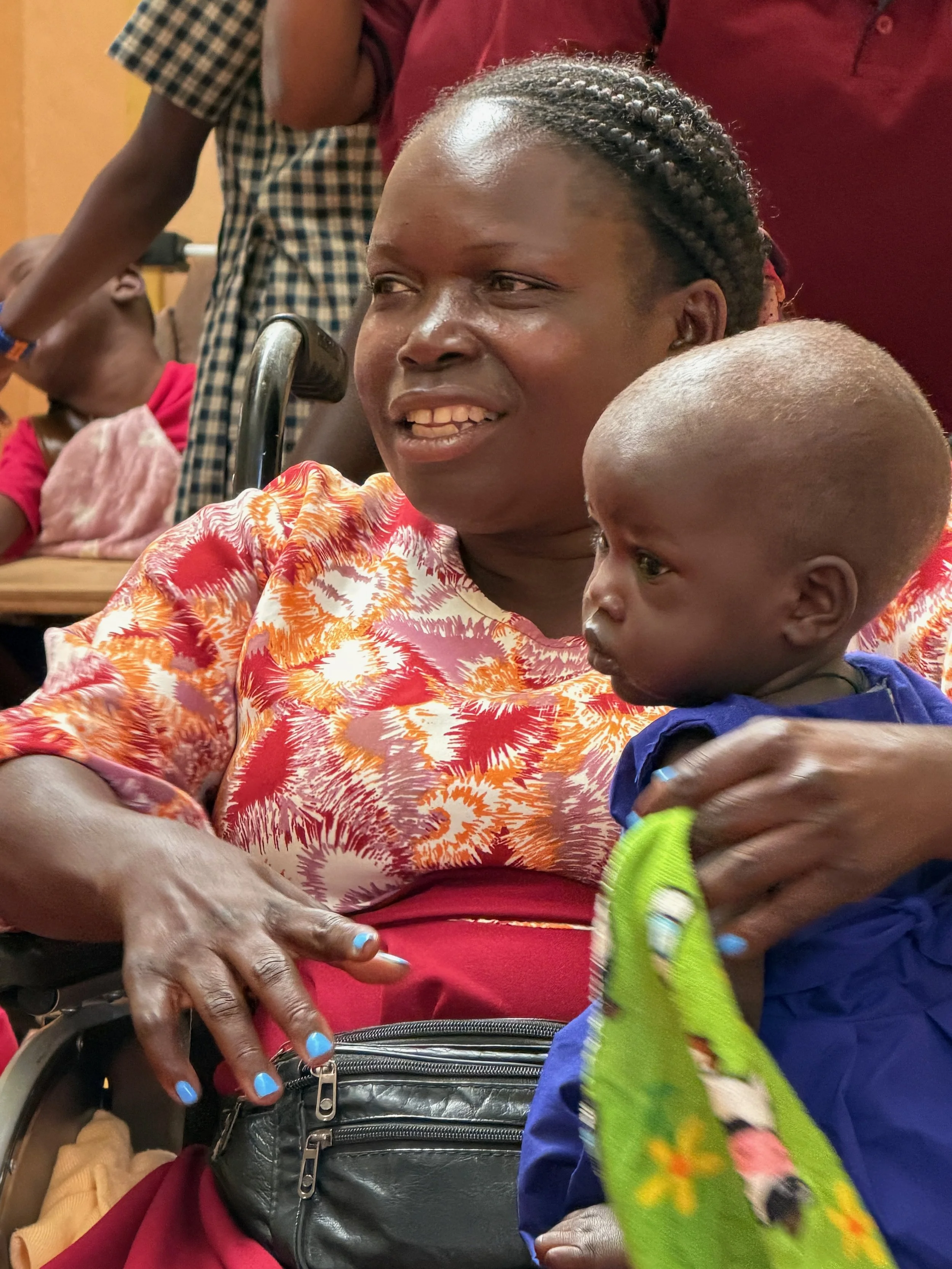
A bit of a disclaimer.
As an NHS doctor and Executive Coach my articles generally shine a light into the nooks and crannies of the NHS and healthcare generally, to focus on the stresses and challenges faced by NHS staff. I usually find a way of indicating why I believe that Coaching is an essential tool for senior staff in the NHS both to deal with their current work circumstances and to plan for the future with a truly open mind.
This week’s article is different!
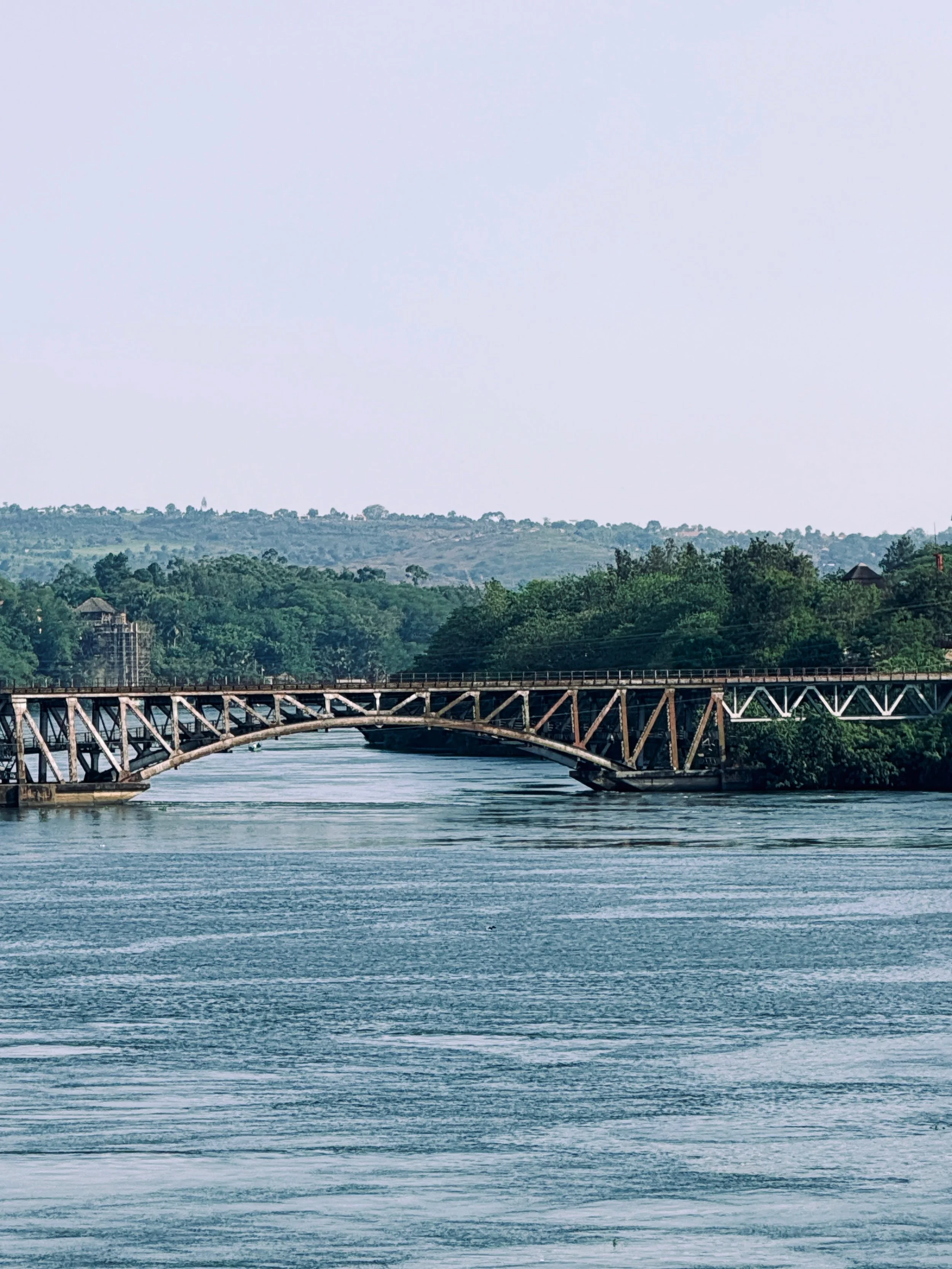
Crossing the Nile near Jinja
Recently I travelled to Uganda as a representative of two UK based organisations, both of which are involved in healthcare in that country. Please indulge me this week and let me tell you how an amazing week in Uganda has re-focussed me on the needs of Children in Africa.
Medcare UK’s Wellspring Childrens Medical Centre
Medcare UK are an established charity who support the Wellspring Children’s Medical Centre in Kamatuza, Masaka. Wellspring provides health and social care for sick and desperately poor children, especially those with long term disabilities. Medcare is supported by the Manchester Airport Group charity.
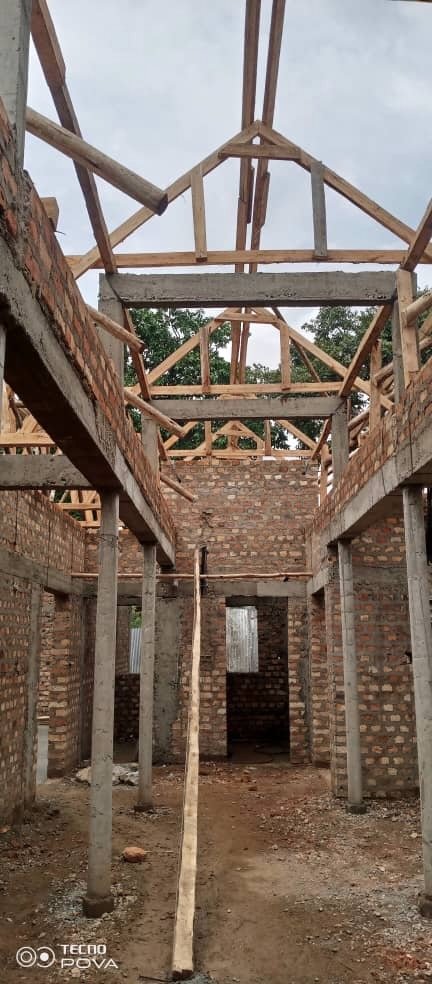
Rehab unit - work in progress some weeks ago.
We visited the new rehabilitation unit which is being constructed alongside the existing hospital. Since this photograph was taken the walls are complete and the roof is now on. Children will soon be moving from the cramped rehab space in which they currently receive therapies into this wonderful new facility which is bigger, lighter and airier and contains space for the children to thrive.
Impressive though the facility will be, it was the staff that impressed me most in their dedication and enthusiasm and their always positive demeanour at work.
We were shown a few very sick children while we were there, including a 3 year old with terminal brain cancer who has recently gone blind and a 7 year old with sickle cell disease who has repeated painful crises but receives no funding for his drugs. The latter was seen on a Community visit with the outreach team. In many cases the staff have learned to navigate what has become a complicated semi privatised health system.
Wellspring Home for Disabled Children
Many disabled children are abandoned by their families in Uganda. Many of them are HIV positive, and HIV is still a significant problem. 51 children with physical and intellectual challenges live in a home built by Medcare and looked after by a team of people under the overall care of Noeline. This incredible woman who is herself disabled, and a team of staff, work around the clock to care for the children. This happy group of children and carers greeted us on our arrival and it is a joyful place.
I left Noelene’s House very humbled and grateful for the work and enthusiasm both of the UK charity who intervened when these children had little hope, and to the staff who give above and beyond day after day. It is unusual for disabled children to receive such care in developing countries and was a privilege to see it in action. These children have been given hope, education and opportunity enabling them to take their rightful places in society. That is a precious thing.
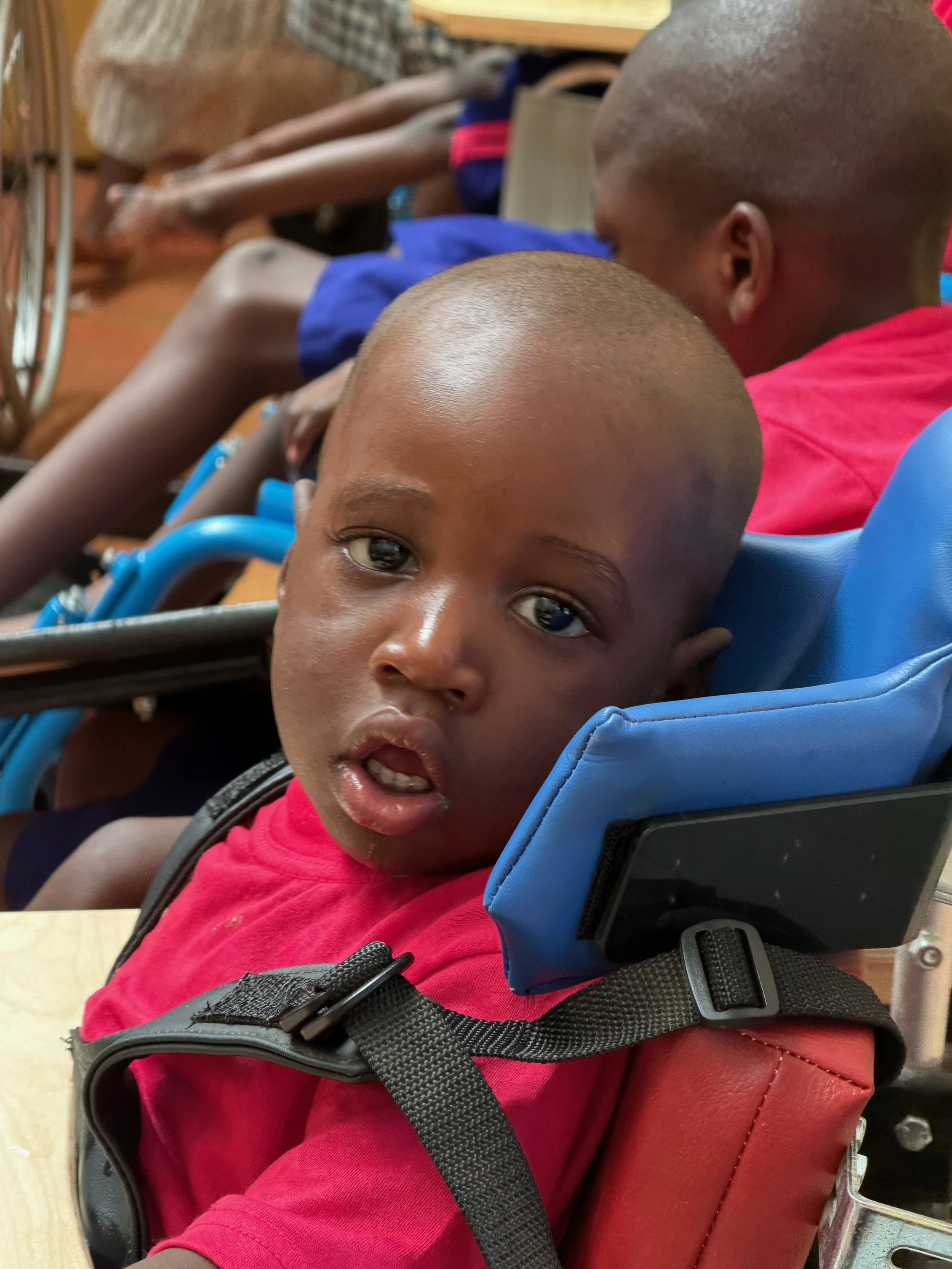
One of the children at Wellspring.
Mildmay UK
I also represent Mildmay UK, who run a Hospital in East London caring for patients with HIV and Aids, for rough sleepers and providing post detox care. Mildmay has had an International interest for many years and helped to set up the Mildmay Uganda Hospital in Entebbe. The Hospital has been run by Mildmay Uganda since 2010.
JOY Hospice Mbale
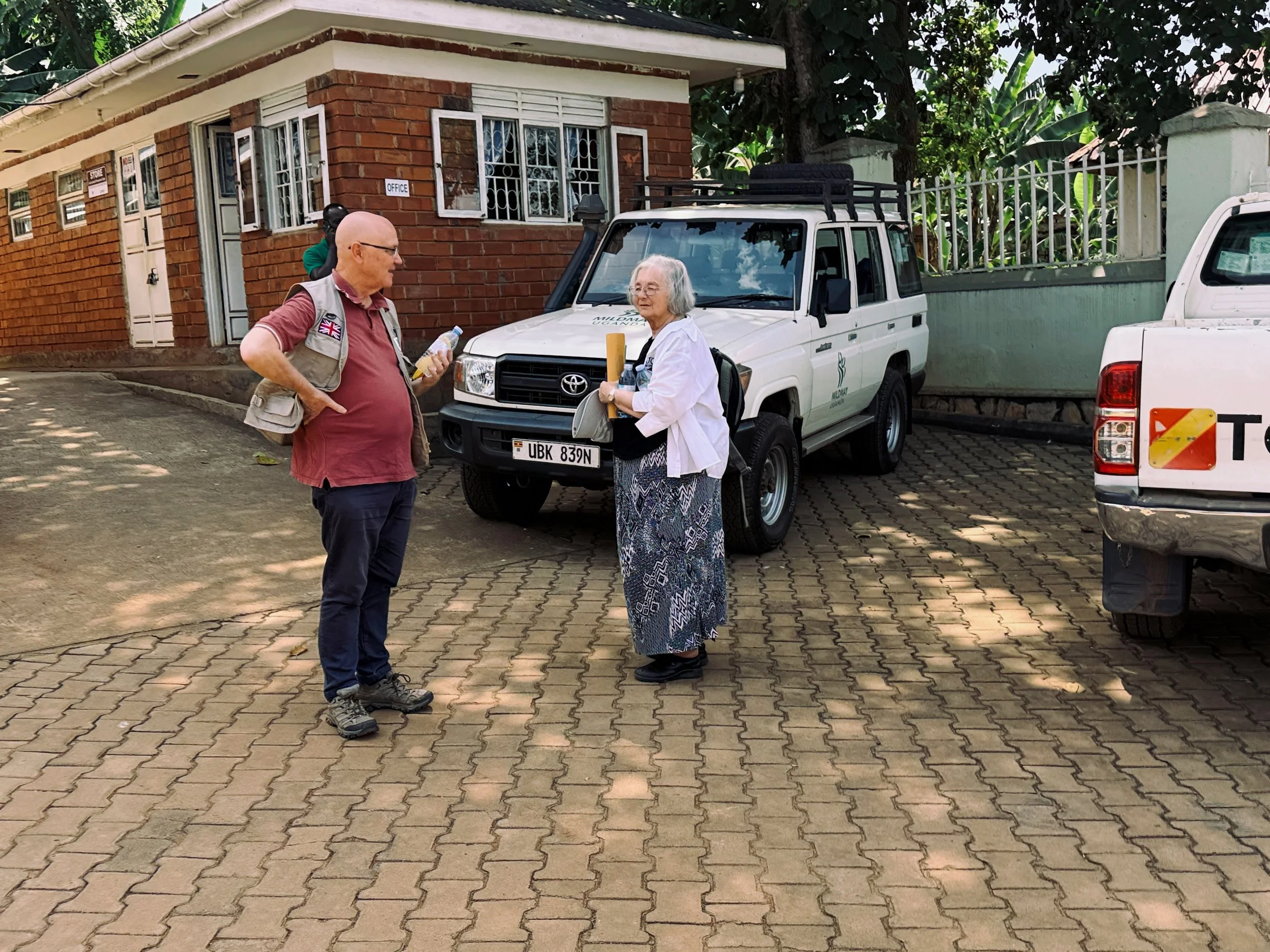
Geoff Coleman, CEO of Mildmay UK, and Dr Jan White.
The team visited the site of a proposed new build Health Centre in the town of Mbale. We visited the current Hospice founded there by Dr Jan White in 2005. Jan is a UK missionary has who has worked in Uganda for three decades. The current facility provides both acute and chronic holistic palliative care which is high quality, comprehensive and affordable.
Long term conditions and their complications are becoming increasingly common in Uganda and although the majority of the population is under 15, living into adult life with these conditions is a problem which has only recently begun to be addressed nationally.
Palliative Care
JOY Hospice is the only palliative care facility of its kind. The immediate Mildmay plan, supported by the local Deliverance Church, is to rebuild the facility into a Health Centre which will provide sustainable long-term care for people with non-communicable diseases, maternity care, rehabilitation and treatment for children especially those with disabilities. At the present time these are plans although we were able to visit the land which has been donated for the purpose by the Church and to meet with the Pastor of the church.
The work already being undertaken, in what are clearly buildings that have outgrown the need, is incredible. The opportunity to do more, in a sustainable way, is increased by the possibility of the new build. It will provide space and facilities to take the work many steps further.
Uganda Health Centre Project
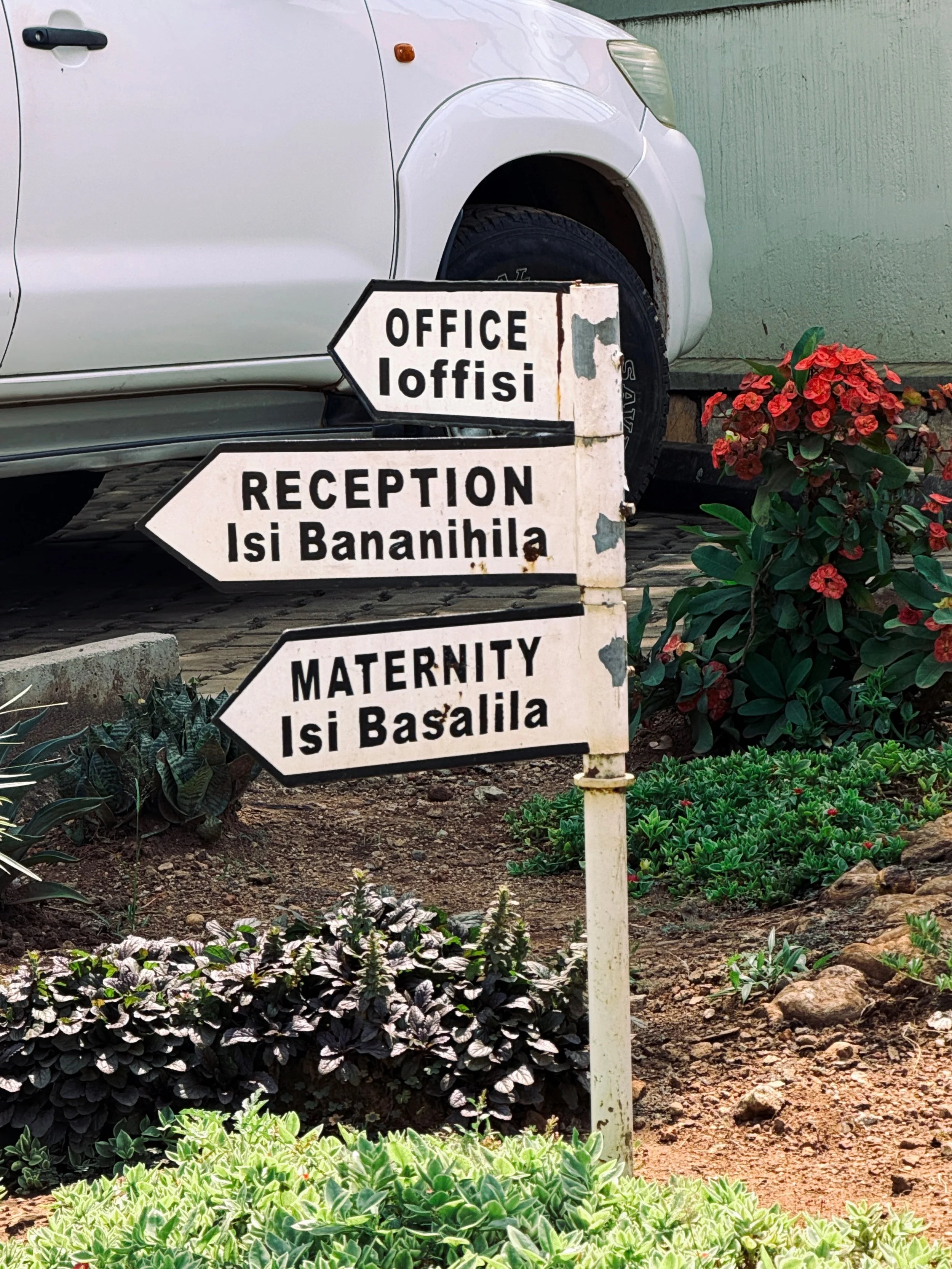
The way forward.
The Mbale project is only one of a proposed number of these Palliative Care Centres. The team also visited a site in Mbarara where the second one is likely to be built. We hope to build at least 5 in the areas of most need in Uganda.
Thankfully the programme has the support of the Ugandan Ministry of Health, the Palliative Care association of Uganda, Virtual Doctors, and Mildmay Uganda - these links will, I believe, ensure the success of the project.
Mildmay Uganda has been an autonomous NGO based in Uganda since 2011 but maintains partnerships with Mildmay UK. They run a well regarded and sustainable hospital in Entebbe. They also provide a large Community Outreach programme and operate an Institute of Health Sciences to train Nurses, Midwives, and Healthcare Workers to University standard. Mildmay Uganda are essential partners in both projects which have to be sustainable so that so that care continues when the overseas organisations have left.
AID reduction and its consequences for Uganda
These initiatives come at a time when USAID has slashed the aid budget resulting in the cancellation of 83% of programmes in Uganda and reducing access to Anti-Retroviral drugs for HIV by 38%. Uganda also suffered the largest drop in UK Aid with a 50% decline in the year 2025-26. NGOs can no longer expect to receive funding from these programmes and the availability from other sources is challenging. This has been in part a result of the ‘charity begins at home’ argument with growing domestic political and cultural opposition to aid. It is also a result of increased spending on Defence due to global instability. The results could be catastrophic in many countries.
Whilst some developing countries do not always prioritise resources to healthcare in the most appropriate way, countries like Uganda are resource poor and the immense unmet need can be demoralising. The victims of unmet need are often children – 45% of Ugandans are under 15 years old - and those marginalised by poverty, HIV and disability. It is amazing to read the stories of some of the children who had been rescued by Medcare's child sponsorship scheme and who had progressed to adulthood, obtaining qualifications and moving into good paid employment rather than being thrown on the scrap heap.
Aid really works.
Whatever your views on the politics of overseas aid, there is no reason why children should suffer from weaknesses in healthcare and lack of funding. I previously seen at first hand the difference that overseas aid can make, especially in partnership with local organisations. UK bodies also provide expertise - the Liverpool School of Tropical Medicine provided Emergency Obstetric Care courses to Maternity staff in several African countries. These had a measurable impact on maternal death, infant mortality and management of conditions such as haemorrhage. The program demonstrated sustainable improvements in healthcare for pregnant women. In most countries the training programmes continue to be run by local staff long after the LSTM project finished.
Finally …
So how do I bring this round to coaching? Well on this occasion I won’t. For once the medical need on the ground is the story without qualification. I would in return ask you to check out the website of Medcare UK here and Mildmay UK and its Uganda project here. None of the funding for the Health Centre Programme will come from government but anything that you feel able to contribute to the work of either charity will improve the lives of children in Uganda.
As always, I'm always available for a chat on zoom and today I will simply offer the opportunity to share a coffee and a chat with me by clicking the link here. If you have any comments to make, please use the LinkedIn link to this article and feel free to post.