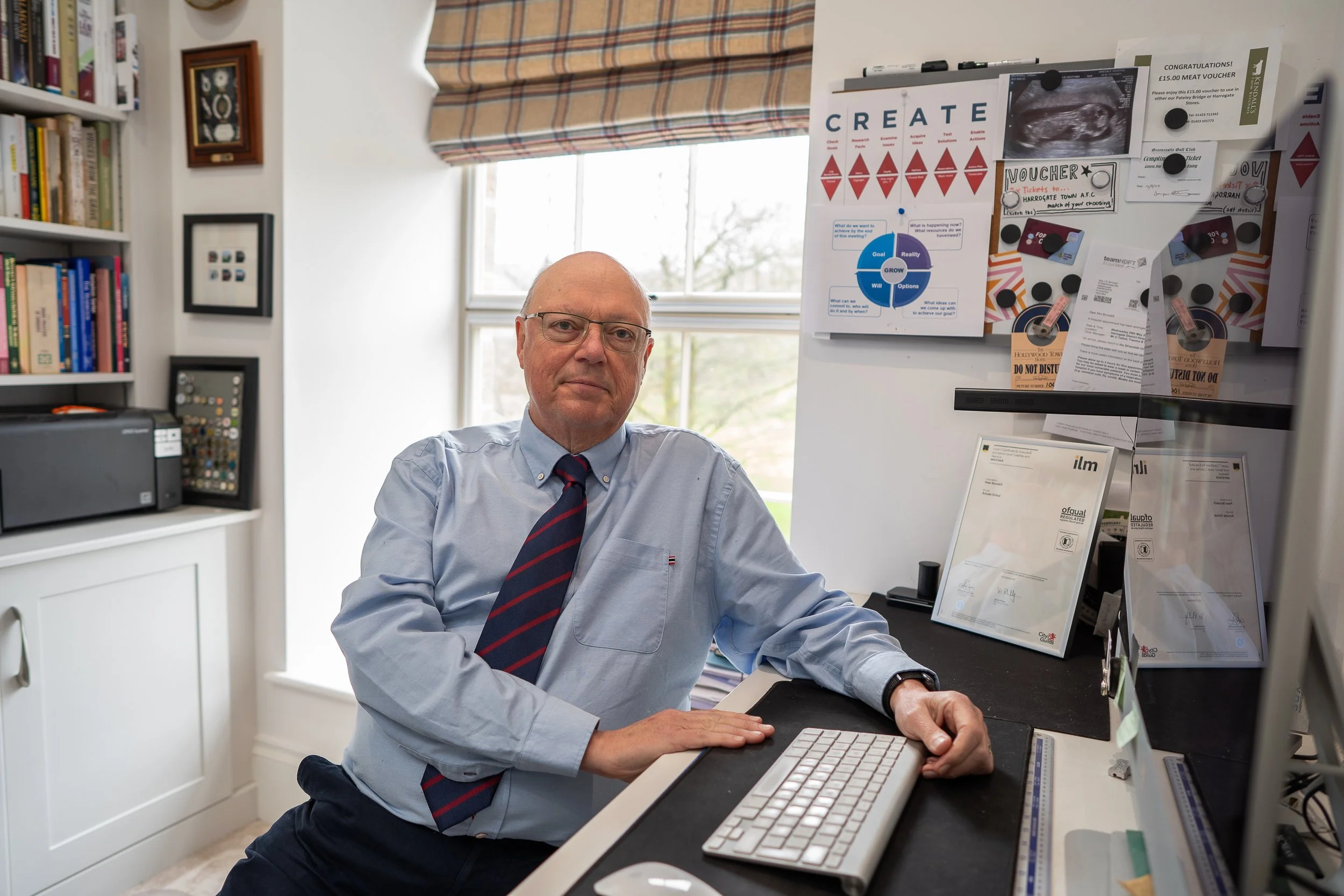
Expert Witness
I have been a medical Expert witness in Obstetrics and Gynaecology for over three decades, using my consultant experience in the NHS. I was one of the first Expert Witnesses in the UK to receive a University Certification having obtained a Certificate in Medical Law from Glasgow University in 1996 and Certified Expert Witness accreditation from Cardiff University (CUEW) in 2004. I can combine clinical knowledge of care of current and historic cases with a clear understanding of legal process, duties to the court, and the ethical complexities of clinical negligence work.
I am registered and revalidated with the GMC until 2029, so that my expert opinion reflects both contemporary care and previous practice.
What is an Expert Witness?
An Expert witness is someone who wants to make a difference. They provide the Courts with professional and balanced opinions which are crucial to resolve medical negligence and personal injury cases. Expert witnesses contribute specialist knowledge to legal proceedings and help ensure that cases are decided on sound evidence. Core tasks include:
Reviewing complex case records and other documents
Writing a detailed, court-compliant report setting out opinions on standard of care, causation, and prognosis
Discussing the case in conference with instructing solicitors and other experts
Attending hearings to give oral evidence and be cross-examined
Mentoring support for Expert Witnesses
As a Senior Doctor you will have many years relevant practical experience and the seniority to provide a reliable informed opinion. Expert witness work is stretching intellectually; Medicine and law are very different and the legal processes are not always easy to follow.
There are a number of organisations that provide excellent training for Medical Experts, such as Inspire Medilaw and Bond Solon. Both organisations have University accredited courses for Experts. Click on links for further details.
However, alongside acquiring the relevant legal knowledge, many Experts find that they benefit from mentoring of their practice by an established expert. Mentoring includes the practical application of knowledge with the honing of skills, especially in report writing. A good report has a well crafted chronology is crucial and a carefully constructed opinion based on all options and facts. Understanding the accepted standards of care and relevant guidelines at the time of the incident is crucial.
My 12 month mentorship package for Medical Experts includes
Monthly on line mentoring sessions of 60 minutes
Flexibility to adapt monthly sessions to individual development needs
Review and feedback on up to 3 Medicolegal reports
Continuing advice and support over WhatsApp or similar
An optional day of Court Observation (organised by Inspire Medilaw)
Marketing your services effectively to obtain instructions
If you would like further information on how this would work for you, please book a complimentary discovery call by clicking this link.

I cannot offer my Expert witness service directly to potential claimants. Hence I cannot advise you on the merits of a claim as that is a legal decision. I am instructed by solicitors and other legal professionals.